
Introduction of The Book
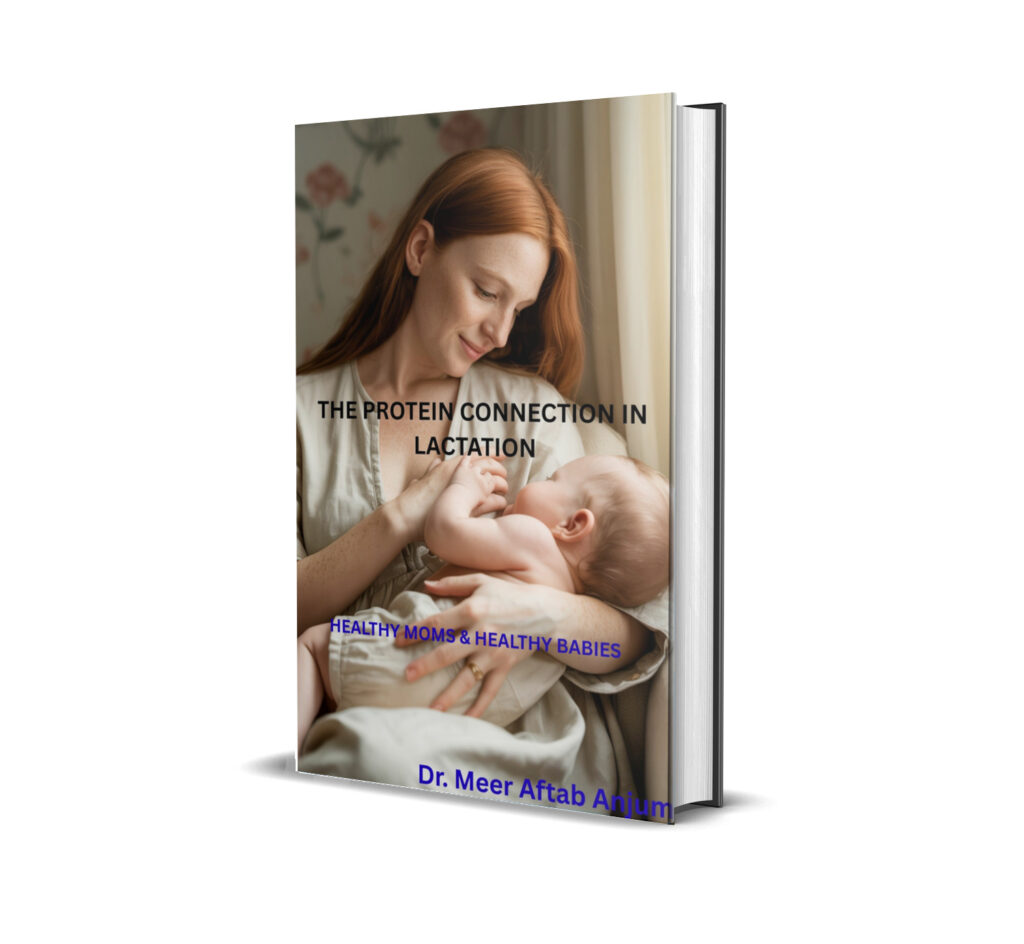
Introduction
The journey of motherhood is extraordinary. While pregnancy is often celebrated, it is during lactation that a woman’s body continues to perform one of nature’s greatest miracles—producing nourishment perfectly designed for her newborn child. Breast milk is more than food; it is life’s first medicine, offering growth, immunity, and comfort all in one. But behind this remarkable process lies a crucial question: what fuels this nourishment?
The answer is clear—protein.
A Mother’s Story
When Rina gave birth to her first child, she was overwhelmed with joy and responsibility. Determined to exclusively breastfeed, Rina devoted her entire being to caring for her infant. But within weeks, she began to feel constantly drained. Her energy was low, her recovery felt slow, and she often worried if her milk supply was truly enough for her baby.
On the advice of a nutritionist, Rina adjusted her diet—adding lentils, eggs, milk, nuts, and other protein-rich foods. Within a short time, she felt stronger, her energy returned, and her baby began to thrive with noticeable growth and vigor.
Her experience highlights a truth many mothers overlook: the protein connection in lactation is not optional but essential—for both mother and child.
The Hidden Power of Protein
While many people consider protein primarily as fuel for muscles, its significance goes much deeper, particularly during lactation. Every drop of breast milk contains proteins that serve life-giving functions:
- Growth and development: supplying amino acids that build the infant’s tissues, muscles, and organs.
- Immunity: delivering protective proteins, such as antibodies and lactoferrin, that defend the infant against infections.
- Brain development: supporting cognitive growth and sharper learning potential.
For mothers, protein ensures recovery after childbirth, maintains energy, strengthens immunity, and sustains milk production. Without adequate protein, a mother may experience fatigue, slower healing, or nutrient depletion—while her child may miss out on vital building blocks for growth.
Why This Book Matters
Many guides encourage mothers to “eat well,” but few highlight the specific role of protein during lactation. This gap often leaves women confused, leading either to undernourishment or reliance on quick, less effective solutions.
This book aims to fill that gap by showing how protein shapes both maternal health and infant development. Inside these pages, you will discover:
- How protein intake directly influences milk quality and supply.
- You will also learn why certain amino acids are crucial for infant immunity and brain growth.
- This article explains the daily protein needs of a lactating mother in simple terms.
- Practical, culturally adaptable, protein-rich food strategies.
- Mothers can nourish themselves in ways that also provide their infants with the best start in life.
A Bond of Nourishment
Lactation is more than biology—it is love expressed through nourishment. When mothers are well-nourished, their babies thrive. When protein intake is consistent and balanced, both mother and child flourish together in strength, vitality, and resilience.
Moving Forward
THE PROTEIN CONNECTION IN LACTATION is both a scientific exploration and a practical guide. It blends evidence with compassion, offering mothers the clarity they need to make confident nutritional choices. Whether you are a new mother, a health professional, or someone supporting a nursing mother, this book will illuminate the vital role of protein in one of life’s most important journeys.
Because when a mother is nourished, so is her child. And when protein is prioritized, both lives grow stronger.